
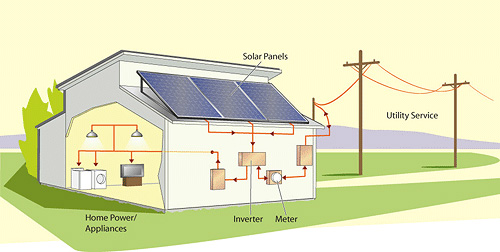
A solar power system is made up of several key components that work together to generate reliable electricity from sunlight. Understanding these components can help homeowners and businesses make informed decisions when installing a solar system.
The most visible part of the system is the solar panel. Solar panels capture sunlight and convert it into direct current (DC) electricity. These panels are typically installed on rooftops or open spaces where they can receive maximum sunlight.
Another essential component is the inverter. The inverter converts the DC electricity produced by solar panels into alternating current (AC), which is the type of electricity used by most household appliances.
Batteries are also an important part of many solar systems. They store excess energy produced during the day so it can be used at night or during power outages. This ensures a continuous power supply even when sunlight is unavailable.
Charge controllers help regulate the amount of electricity flowing into the batteries, preventing overcharging and extending battery life.
When all these components work together efficiently, they create a reliable energy system that can power homes, offices, and businesses with clean and renewable energy.