
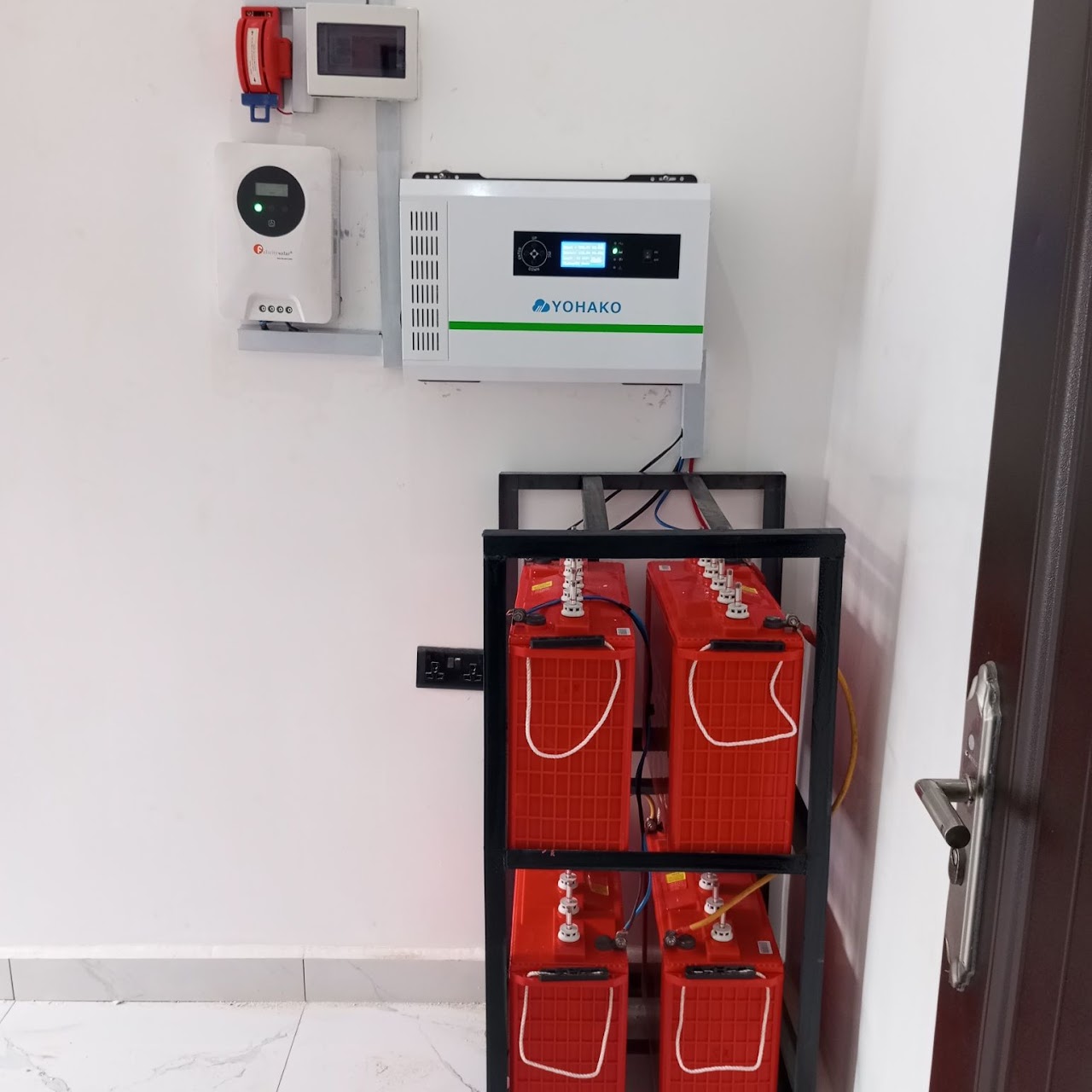
Solar installation in Nigeria has quickly shifted from a luxury option to an essential investment. In 2026, living or running a business without a reliable power source feels like an endless financial drain. Between persistent grid collapses, rising electricity tariffs, and the soaring cost of petrol and diesel for heavy generators, power has become one of the single largest recurring expenses for households and commercial enterprises alike.
When faced with these escalating energy costs, thousands of Nigerians are asking a crucial question: Is solar installation actually worth the high upfront investment in 2026?
While the initial cost of purchasing quality inverters, solar panels, and heavy-duty battery storage can seem intimidating, evaluating solar power purely by its purchase price misses the bigger picture. Solar installation is a capital investment that yields measurable financial returns and long-term asset value.
In this article, we break down the realistic Return on Investment (ROI) of solar installation in Nigeria today, compare the long-term economics of solar versus generator maintenance, explore practical real-life benefits, and show you how to calculate when your setup will pay for itself.
To understand whether solar installation is worth the investment, you must first look closely at what staying on conventional power sources is costing you.
Most Nigerian homes and businesses rely on a combination of grid supply and backup generators. However, relying on fuel-powered generators comes with heavy, continuous drains on your cash flow:
Beyond the balance sheets and numerical ROI, going solar fundamentally changes how you live, work, and build wealth every day. Here are practical, real-life reasons why Nigerian households and business owners say switching to solar is one of the best decisions they ever made:
Installing a clean, fully functional solar energy system instantly boosts the market value and desirability of your property. In the Nigerian real estate market, homes and commercial spaces equipped with built-in solar power command higher rental yields and sell significantly faster than non-solar properties. Tenants and buyers are eager to pay a premium for a property that guarantees 24/7 power without the stress of fueling and maintaining a generator.
Imagine never having to stand in long fuel queues at filling stations during fuel scarcity or dragging heavy jerrycans in the rain. With a clean solar setup, your energy is silently harvested from the sun every morning—giving you complete peace of mind.
Generator roar and vibration are leading causes of urban stress and sleep deprivation. Solar inverters operate silently. You can sleep comfortably with fans, air conditioners, or light backup on without worrying about noisy engines disturbing you or your neighbors late at night
Frequent grid fluctuations, voltage spikes, and sudden generator cut-offs ruin sensitive electronics like Smart TVs, inverter refrigerators, laptops, and medical/pharmaceutical equipment. Pure sine wave solar inverters deliver stable, clean voltage that protects and extends the lifespan of your valuable appliances.
If you work remotely, run an e-commerce brand, manage a salon, run a pharmacy with cold storage, or operate an office, power outages mean lost revenue. Solar eliminates the annoying “hold on, let me turn on the generator” delays, allowing you to stay connected, host virtual meetings smoothly, and serve customers without interruption.
Let’s look at a practical financial breakdown comparing a typical 5kVA solar installation against running a 5.5kVA Petrol/Diesel Generator for basic residential or small office power needs over a 5-year period.
Option A: The Generator Path (Continuous Drain)
Note: This estimate doesn’t account for likely future fuel price increases or the need to replace the entire generator engine after 2 to 3 years of heavy daily use.
Option B: The 5kVA Solar System Path (Asset Building)
Not all solar installations yield the same financial return. To ensure your investment pays off quickly and reliably, pay close attention to these technical choices:
Find out cost of solar installation in our previous post https://imprintscoenergy.com/how-much-does-solar-installation-cost-in-nigeria-in-2026-factors-that-affect-the-price/
Over-sizing your system leads to wasted capital, while under-sizing leads to premature battery degradation. Conducting a precise load audit ensures you only pay for the exact inverter capacity and battery storage required to power your essential appliances.
Using uncertified installers or skipping essential AC/DC protection devices, surge arresters, and proper copper cable sizing creates fire hazards and risks ruining expensive equipment. Quality installation protects your capital investment. If you are looking for certified installers to handle your setup safely, visit our website at www.imprintscoenergy.com.
Take control of your energy expenses and increase your property value today with a custom, load-profiled solar quote from Imprints Corporations Energy!